
PREPARATORY QUESTION:
Are Jesus Christ and His finished work entirely sufficient to reconcile sinners to God?
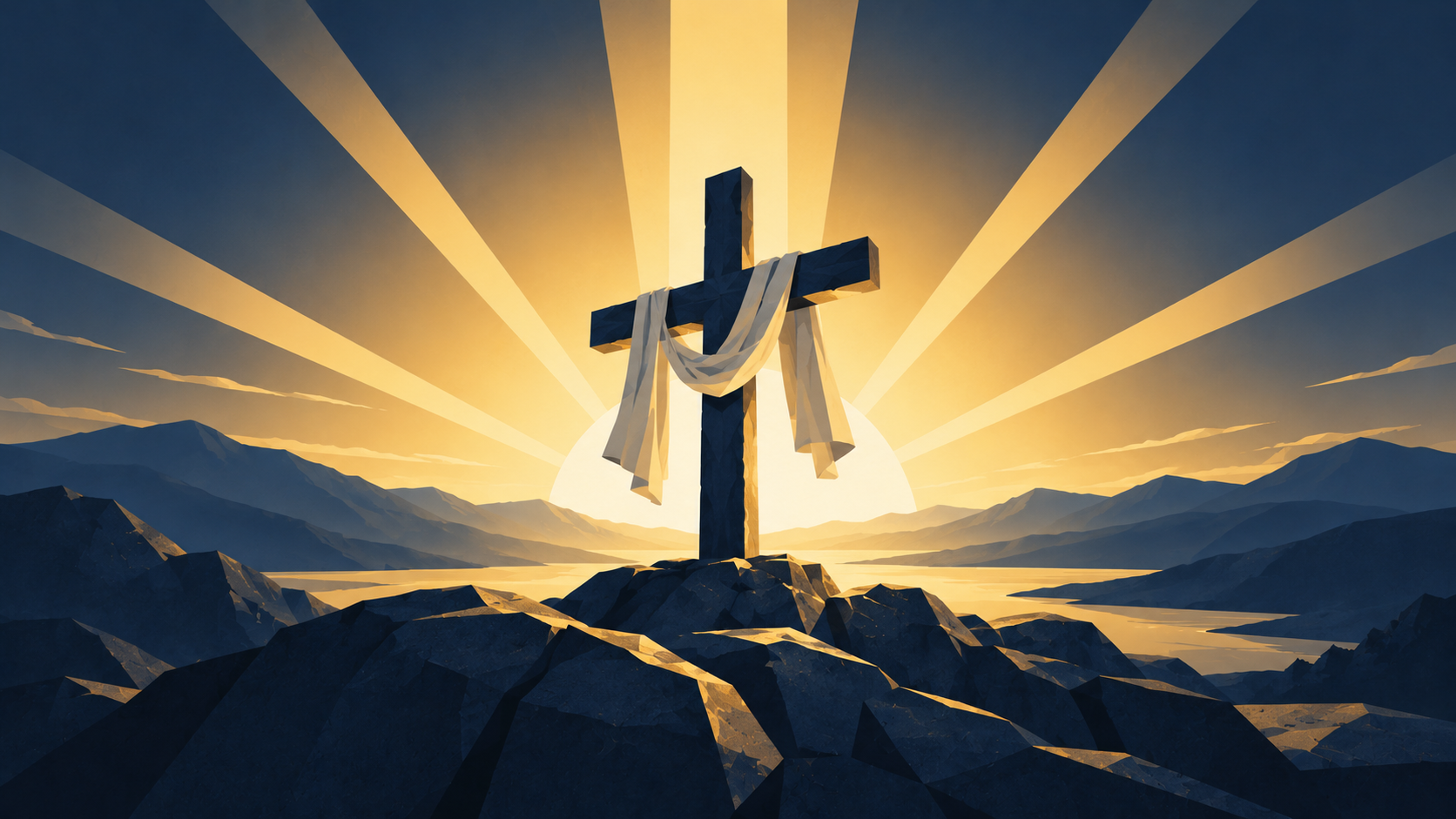
At the heart of the Protestant Reformation stood an unwavering commitment to the sufficiency and exclusivity of Jesus Christ in salvation. This doctrine, known as Solus Christus (Christ Alone), affirms that our reconciliation with God rests entirely upon the person and finished work of Jesus Christ. The Reformers rejected the notion that human merit, religious rituals, or priestly mediation could contribute to the saving work that Christ alone accomplishes. Scripture declares that through Him, God reconciles sinners to Himself, making peace by the blood of His cross (). Yet the exclusivity of Jesus Christ remains widely contested today. Many reject His identity as truly God and truly man, while others deny that His work alone is sufficient for salvation.
The Apostle Paul explains the foundation of our reconciliation with God when he writes, “For our sake he made him to be sin who knew no sin, so that in him we might become the righteousness of God” (). In Adam, humanity fell into sin, coming under God's righteous judgment and becoming alienated from Him. Our problem was not merely that we had committed sins requiring forgiveness, but also that we lacked the perfect righteousness necessary to stand accepted before a holy God. We needed both the removal of our guilt and the righteousness that we could never accomplish ourselves. No amount of human effort, religious devotion, or moral improvement could provide either.
This is precisely what Jesus Christ came to accomplish. As the eternal Son of God who became truly man, He lived a life of perfect obedience to the Father, fulfilling the righteousness that Adam and all humanity failed to render. He was without sin, not merely in His actions but in His very nature. His sinlessness qualified Him to offer Himself as the spotless sacrifice for our sins, while His perfect obedience secured the righteousness we desperately needed. Upon the cross, He willingly stood in the place of sinners, bearing the guilt and judgment that our sins deserved. Though He knew no sin, our sins were counted against Him, and He suffered in our place. Through faith in Christ, our sins are forgiven, and His perfect righteousness is credited to us. We are therefore declared righteous before God, not because of anything we have accomplished, but because of everything Christ has accomplished on our behalf (; ). His righteous life and sacrificial death together provide everything necessary for our justification.
Dearly beloved, there is no other way to be reconciled to God. Jesus Himself declares in , “I am the way, and the truth, and the life. No one comes to the Father except through me.” Neither religious ceremonies, sacramental observances, human mediators, nor personal acts of devotion can accomplish what Christ alone has accomplished. Giving alms, faithfully paying tithes and offerings, and consistently attending church cannot earn salvation. Even our finest works cannot remove our guilt or satisfy God's perfect standard of righteousness. While obedience and good works have their proper place in the Christian life, they are the fruit of salvation, never its foundation. Our acceptance before the Father rests solely upon His grace, received through faith in Jesus Christ, whose perfect obedience and atoning sacrifice are entirely sufficient to save.
Beloved in Christ Jesus, consider the glorious assurance that this truth provides. If you belong to Christ, your standing before God does not depend upon the strength of your performance, the consistency of your devotion, or your ability to make yourself worthy of His acceptance. It rests upon the unchanging perfection of Jesus Christ. He has borne the punishment for your sins, fulfilled the righteousness you could never achieve, and secured your peace with God. Nothing can be added to His finished work, and nothing needs to be added. What a wonderful reason to rejoice! Will you not, at this very moment, lift your heart in praise and join in singing these comforting words?
FURTHER READING -
QUESTIONS TO HELP YOU MEDITATE ON THE WORD:
1. How have you been reconciled to God, and why are Christ's perfect righteousness and atoning sacrifice entirely sufficient for your salvation?
2. Why is our own righteousness insufficient to make us acceptable before God, and how does Christ provide what we cannot accomplish ourselves?
3. How should the sufficiency of Christ's finished work shape your assurance of salvation, your worship, and your daily obedience to God?
PRAYER
Heavenly Father, thank You for reconciling me to Yourself through Your beloved Son, Jesus Christ. Thank You that my acceptance before You rests not upon my own righteousness, religious works, or personal merit, but entirely upon Christ's perfect obedience and finished work on the cross. In Him, my sins are forgiven, His righteousness is counted as mine, and I have the assurance of eternal life. Help me to rest daily in the sufficiency of Christ, to rejoice in the salvation He has secured, and to live in grateful obedience to You. May I never look to anything or anyone other than Jesus Christ as the foundation of my acceptance before You. In His precious name, Amen.